Navigating Chiang Mai: The Ultimate Guide to Getting Around the Northern Capital
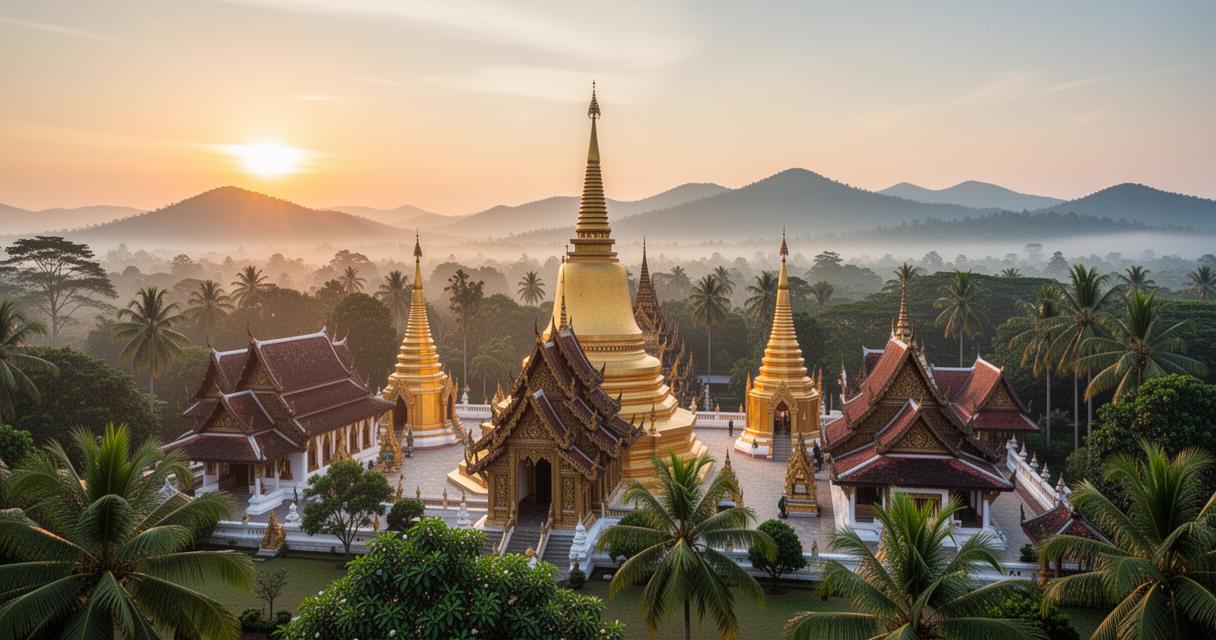
Chiang Mai, the so-called second capital of Thailand, sits nestled amongst lush mountains in the north of the country and has long captured the imagination of travellers from across the globe. Known for its ancient city walls, golden spires, and extraordinary cultural depth, this northern gem offers an experience quite unlike anything found further south in Bangkok. Whether you are arriving for the first time or returning to deepen your understanding of Lanna heritage, knowing how to navigate the city is the very foundation of a rewarding trip.
The essentials
- The Old City of Chiang Mai is compact and easily navigable on foot, while reaching outlying areas requires alternative transport methods.
- Songthaews are the most iconic and cost-effective way to travel, offering flat fares for local trips around the city.
- Motorbikes provide the freedom to explore mountain roads, whereas ride-hailing apps offer a convenient and transparent alternative to negotiating with tuk-tuk drivers.
- Wat Phra That Suthep is a must-visit site that offers panoramic views and is accessible via a scenic songthaew ride up the mountain.
- Beyond the city walls, historic sites like Wat Umong and Wat Chedi Luang offer deep insights into Lanna culture and Buddhist heritage.
- The Night Bazaar and weekend walking street markets are central hubs for experiencing local crafts, traditional cuisine, and vibrant cultural life.
- Doi Inthanon National Park and various ethical elephant sanctuaries are popular destinations that can be reached through organized tours or private transport.
Exploring Transport Options Across the Old City and Beyond
Getting around Chiang Mai requires a little planning but rewards those who take the time to understand the rhythm of the city. The Old City, enclosed within its moat and historic walls, is compact enough to explore largely on foot, making walking tours a popular choice for visitors keen to absorb the atmosphere at a gentle pace. Yet venturing beyond those ancient boundaries — towards the night bazaar, the mountain roads or the outer districts — calls for a broader range of transport options.
Riding Songthaews and Local Buses in Northern Thailand
The songthaew, a converted red pick-up truck with bench seating in the back, is arguably the most iconic and practical way to move around the city. These shared vehicles operate on flexible routes and charge an affordable flat fare per ride, making them ideal for budget-conscious travellers who want to cover reasonable distances without the fuss of negotiation. Local buses also serve certain corridors, connecting the urban centre to outlying neighbourhoods, though visitors often find the songthaew network more intuitive for everyday use. It is worth knowing that public transport fares in Chiang Mai are genuinely accessible, with songthaews typically charging between 20 and 40 THB per ride — a compelling case for leaving expensive private transfers aside when exploring the city at leisure.
Hiring Motorbikes and Taxis for Flexible Day Trips
For those craving independence and the freedom to forge their own itinerary, hiring a motorbike unlocks the entirety of the Chiang Mai province. The winding roads that lead up into the mountains, past waterfalls and through hill tribe villages, are far more enjoyable when you are in control of your own pace. Tuk-tuks remain a characterful option for short hops across the city, although fares are typically negotiated before boarding, so a friendly exchange with the driver is part and parcel of the experience. Ride-hailing apps have also grown in popularity and offer a transparent, metered alternative for those who prefer not to haggle.
Journeying to Iconic Temples and Doi Suthep
No visit to Northern Thailand is complete without immersing oneself in the extraordinary legacy of Lanna architecture and Buddhist heritage that defines Chiang Mai’s spiritual landscape. The city is home to hundreds of temples, each telling a different chapter of a history stretching back centuries, and the journey to reach them is often as memorable as the sites themselves.
Reaching wat phra that suthep and historic chedi sites
Perched high above the city on the slopes of Doi Suthep, Wat Phra That Suthep is arguably the most revered site in all of northern Thailand. A songthaew ride from the city centre takes visitors up the winding mountain road, culminating in a grand staircase flanked by serpentine nagas that leads to the temple’s gilded chedi. The views across the Chiang Mai valley from this elevation are breathtaking, particularly in the cooler months when the air is crisp and visibility stretches for miles. Nearby, the temple of Wat Phra Singh stands within the Old City itself, its celebrated Lanna architecture drawing admirers who come to study the intricate craftsmanship of its prayer hall and revered Buddha image. Wat Chedi Luang, another landmark steeped in history, once housed the Emerald Buddha before that sacred object was relocated to Bangkok, and its towering, partially ruined chedi remains one of the most atmospheric sites in the city.
Visiting lanna landmarks and wat umong sanctuary
Beyond the well-trodden circuit, Wat Umong offers a genuinely contemplative experience tucked into the forested edge of the city. Its network of ancient tunnels and shaded garden pathways make it a tranquil retreat from the bustle of the markets and streets. Similarly, Wat Suan Dok — its gleaming white chedis scattered across an open courtyard — combines visual splendour with a living monastic community that continues to practise centuries-old traditions. These ancient temples are not merely historical sites but functioning centres of faith, and visitors are welcomed warmly provided they observe customary dress codes and respectful conduct.
Planning Excursions to National Parks and Night Markets
The region surrounding Chiang Mai is as rich in natural beauty as the city itself is in cultural heritage. From the heights of Thailand’s tallest peak to the labyrinthine stalls of its legendary markets, the province rewards those who venture beyond the city limits with equal enthusiasm.
Travelling from the Night Bazaar to Doi Inthanon National Park
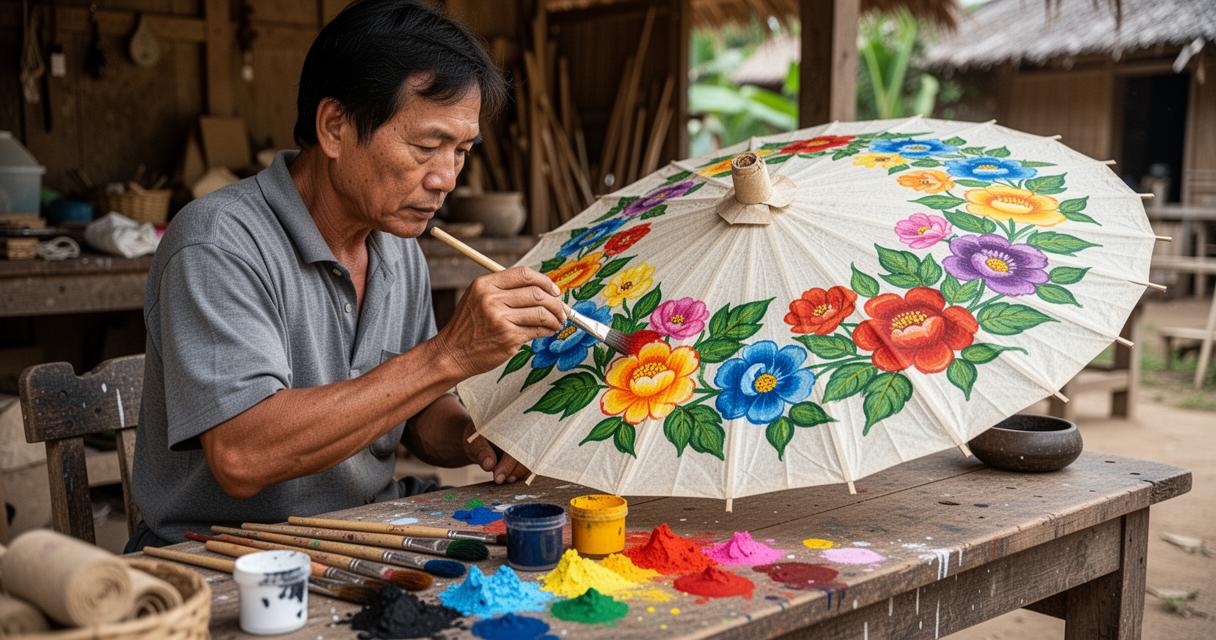
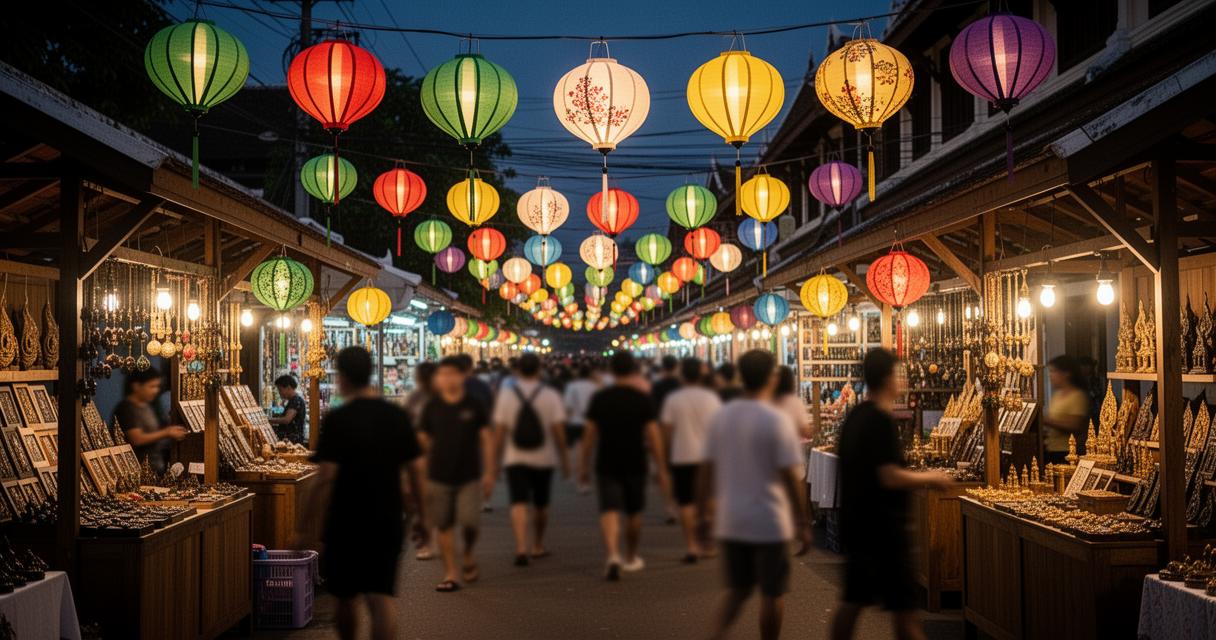
The Night Bazaar, positioned along one of the city’s main thoroughfares, draws crowds every evening with its sprawling collection of stalls selling traditional crafts, textiles, street food, and souvenirs. It forms a natural starting point for travellers who want to ease into the rhythms of Thai culture before planning longer excursions. One of the most rewarding of these is the journey to Doi Inthanon National Park, home to Thailand’s highest peak and a series of hiking trails suited to varying levels of fitness, including the serene Angka Nature Trail. The park’s waterfalls, including the picturesque Mae Sa Waterfall, are popular stops for those who fancy a peaceful picnic or a refreshing dip in natural pools. A hired motorbike or an organised day trip from the city are both reliable ways to reach the park, and the drive itself through forested mountain scenery is a pleasure in its own right.
Organising routes between chiang mai markets and regional excursions
Back in the city, the Sunday Walking Street Market along Wualai Road transforms the area into a pedestrian haven of local crafts, street food, and live music each weekend evening. The Saturday Night Walking Street Market offers a similarly vibrant atmosphere, drawing both locals and visitors into a communal celebration of northern Thai culture. Planning routes between these markets and further regional excursions — such as a day trip to Chiang Rai, where the extraordinary white temple of Wat Rong Khun commands attention — is straightforward thanks to the network of shared taxis and organised tours available throughout the city. For those drawn to wildlife and ethical elephant sanctuaries, facilities such as the Elephant Nature Park offer meaningful encounters that prioritise animal welfare, combining seamlessly with the broader spirit of responsible travel that Chiang Mai increasingly champions. Hill tribe visits further afield provide cultural insights into the communities that have long inhabited the mountains of the Thai north, rounding out an itinerary that balances history, nature, and human connection in equal measure.